Blue Shield of California —
Building an Agentic Healthcare Platform
Blue Shield of California set out to reimagine healthcare for the intelligent age. The vision: build a new kind of health platform—one that carries Blue Shield’s financial backbone and provider depth and, with the intuition, loyalty, and user experience of Apple Computer.
This was not to be a new app or a rebrand. It was the creation, from the foundation up, of an agentic health ecosystem—a platform marketplace that understands context, adapts to behavior, and coordinates care autonomously, so people can focus on living, not managing healthcare.
PROBLEM
Healthcare today is a system of silos—each one optimized for itself. Insurers manage risk. Providers manage care. Tech companies build apps. But for the people at the center of the experience—the patient and providers—these parts rarely connect. Each appointment, bill, and prescription becomes another isolated task in a long chain of friction.
Blue Shield of California saw this fragmentation as both a problem and an opportunity. As a vertically integrated health organization, it already had deep expertise across financing, delivery, and data. But even with these assets, the experience for members was too complicated, too transactional, too disconnected from the elegant, intuitive standards people expect from technology leaders.
The question became: How-might-we create a healthcare marketplace that would work more like the platforms people already love and trust? What if the system could learn from every interaction, simplify every decision, and orchestrate care seamlessly behind the scenes—just as Apple’s ecosystem does with music, photos, and communication?
That’s the vision and goal behind Blue Shield’s new healthcare platform: to fuse clinical precision with design intelligence. To replace complexity with clarity. And to build a marketplace that continuously improves as patients, providers, and service partners participate and engage.
CURRENT STATE
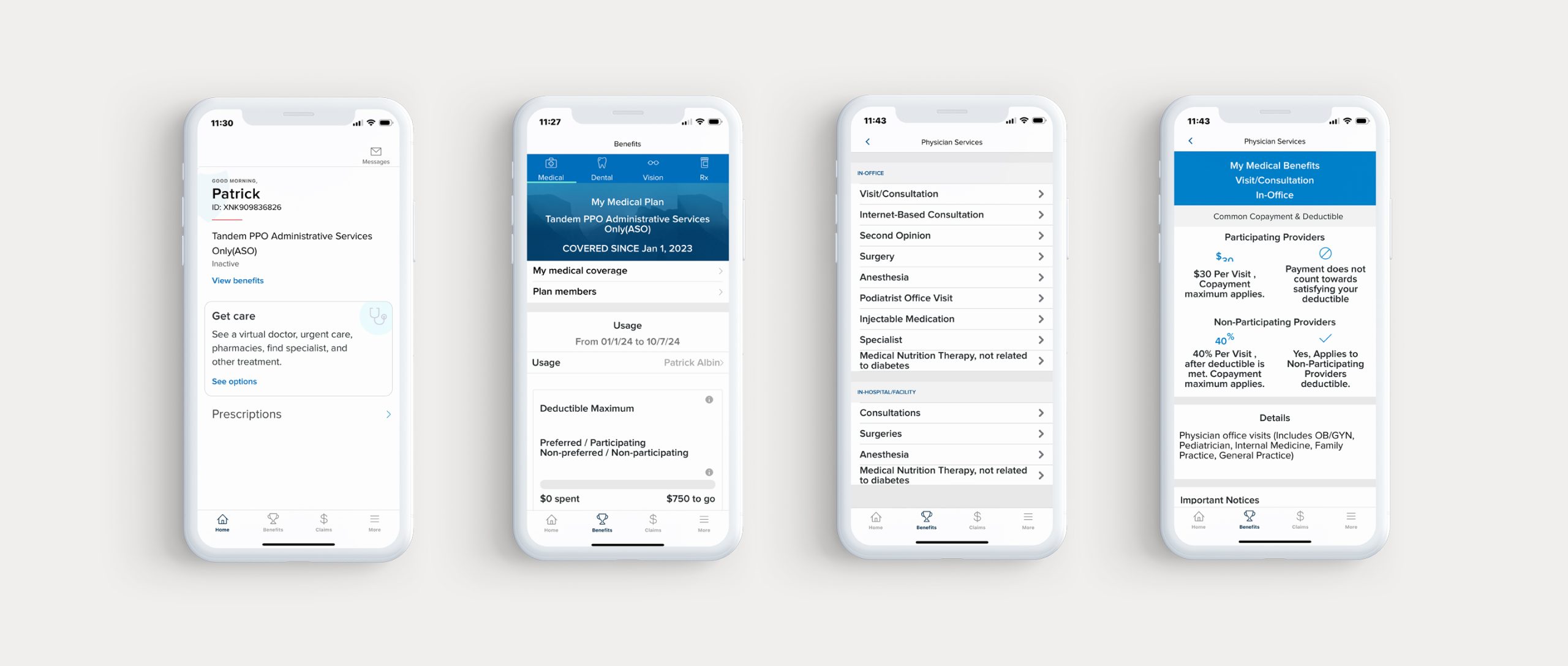
Today, Blue Shield of California’s mobile experience functions as a digital filing cabinet: members can log in, check benefits, file claims, view messages, and update personal information. These are static, transactional touchpoints—useful, but not intelligent.
Despite carrying powerful smartphones, members still can’t act through the web experience or mobile app in meaningful ways. They can’t find available doctors in real time, book appointments, access urgent care, refill prescriptions, or message their providers. Instead, they must navigate phone trees, wait on hold, and manually coordinate their own care.
In essence, the digital experience mirrors the bureaucracy of healthcare rather than transcending it. It provides information, but not agency—forcing users to do the work that intelligent systems should be doing on their behalf.
DESIGN PROCESS
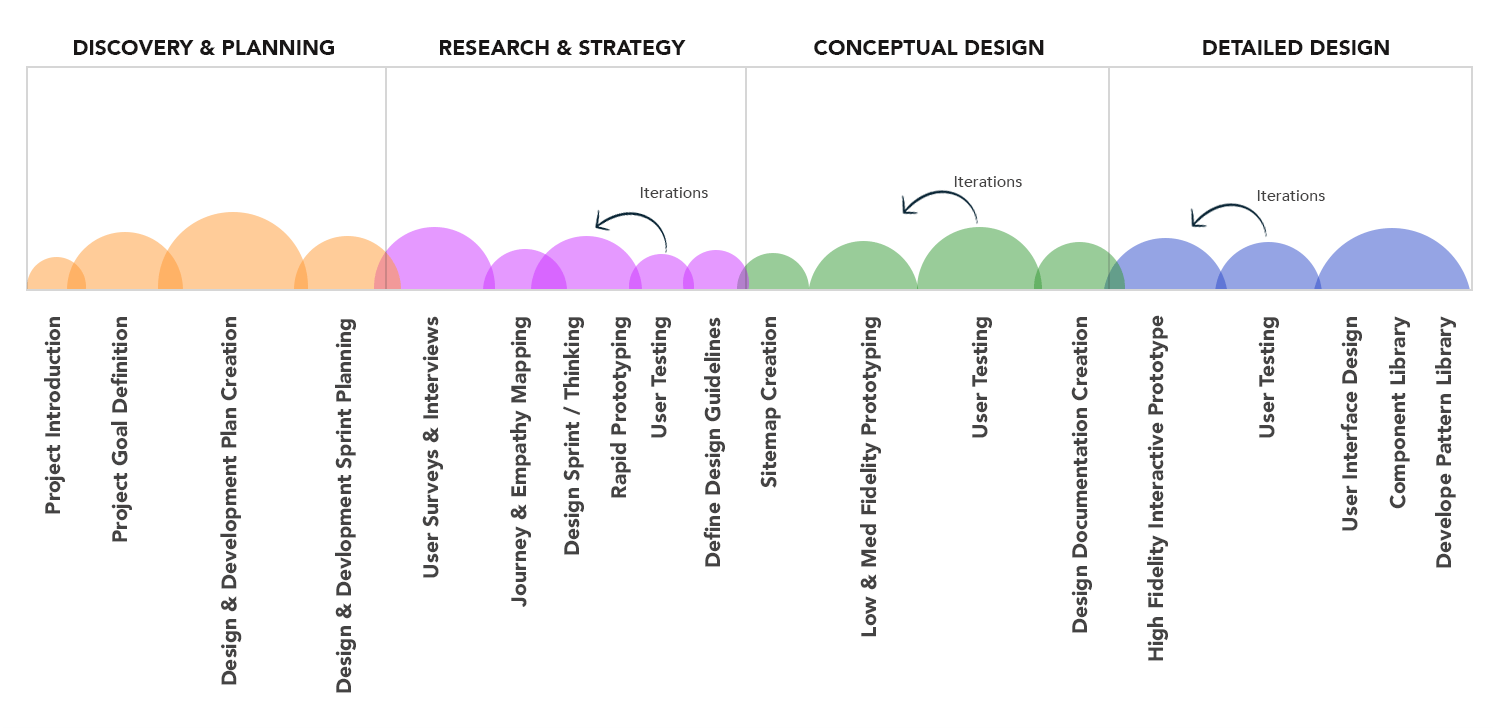
Our design process followed a goal-directed approach—anchored in deep research, iterative modeling, prototyping, and testing—but with an evolved purpose: to design with intelligence, not just for it.
We approached every stage—from defining requirements to building frameworks and detailed designs—as an opportunity to teach the system how to think, not merely how to look. Human insight drove the foundation, but Agentic AI became the bridge between user intent and business value, constantly learning and optimizing across interactions.
The result is a design methodology centered on co-agency: humans and AI working together to achieve aligned goals. Users gain effortless access and personalization, while the business gains loyalty, retention, and operational intelligence that compounds over time.
DESIGN THINKING / SPRINTING
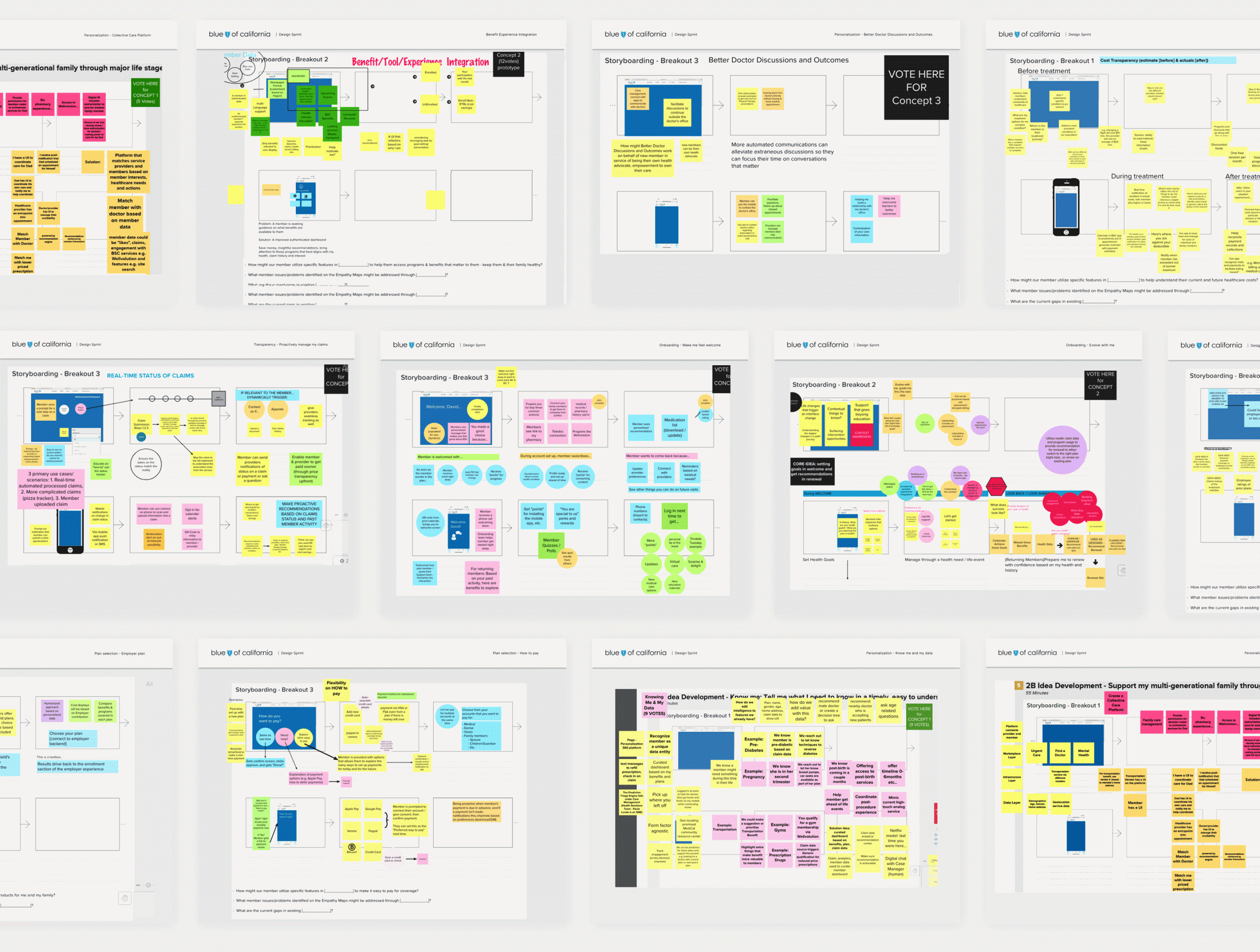
Once discovery, stakeholder interviews, and user research were complete, we brought together a small but focused cross-functional team—leadership, subject matter experts, designers, and strategists—for a series of rapid design sprints. These sessions weren’t simply about brainstorming; they were structured explorations built around shared insights and alignment.
Through lightning rounds of information sharing, we mapped business goals against user pain points, uncovering key moments where data-driven systems of intelligence could remove friction and add value. Ideas were sketched, challenged, and refined in real time. From there, we developed interactive prototypes that captured how an agentic AI system might anticipate needs, guide decisions, and simplify healthcare interactions.
Each prototype was validated through user testing focused on desirability, viability, and feasibility—ensuring the vision remained both human-centered and operationally sound. This design sprinting process allowed the team to translate insight into action at speed, proving that when creativity, evidence, and intelligence work in concert, innovation becomes not just possible—but inevitable.
SOLUTION
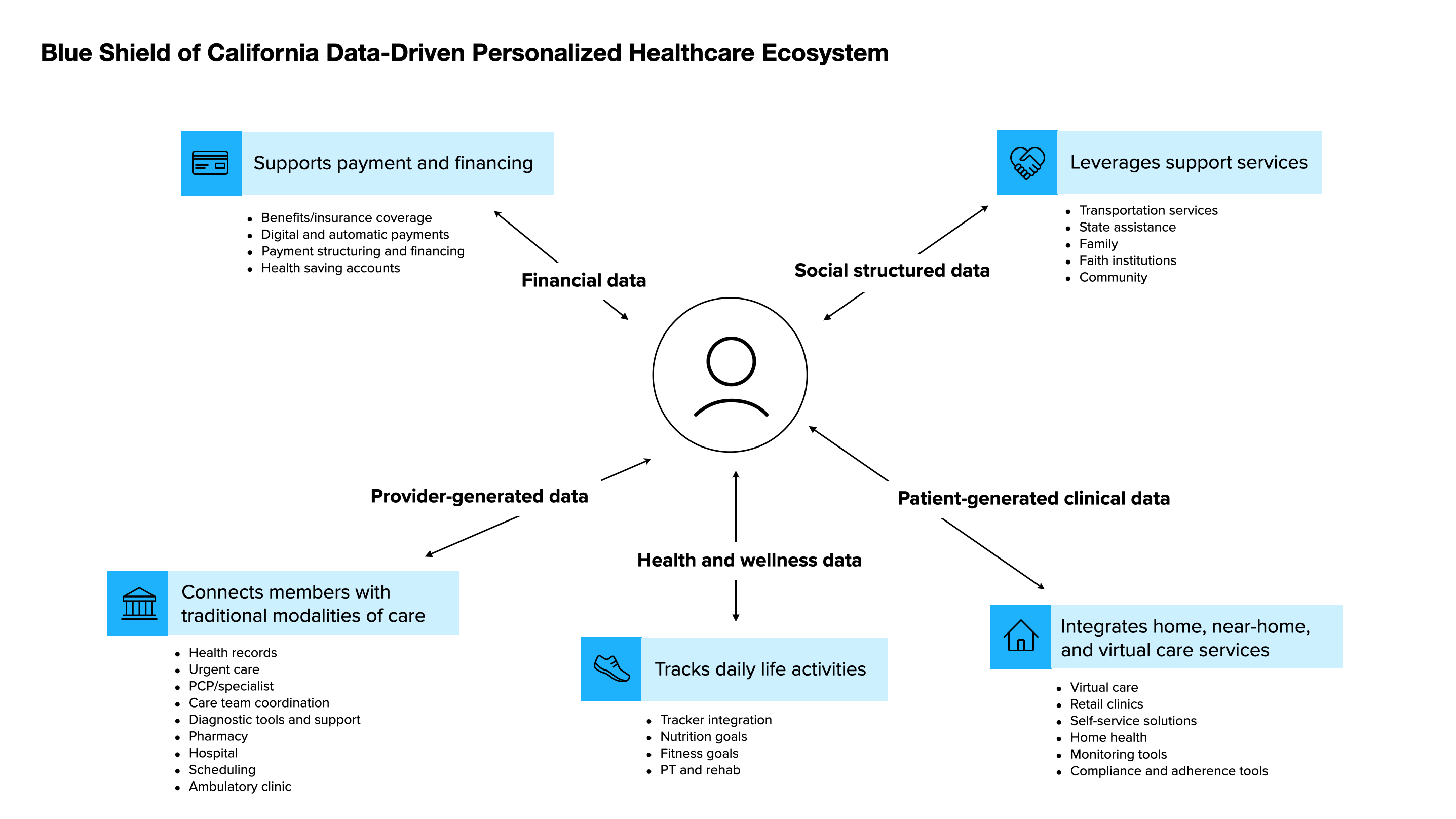
The future Blue Shield of California experience reimagines healthcare as a living system—a data-driven intelligent companion that understands, guides, and acts on behalf of its members.
Instead of static menus and phone calls, the members experience interacts with, and is driven by an adaptive AI agent that orchestrates their entire healthcare journey. It knows when prescriptions need refilling, it recommends providers based on real-time availability, it schedules appointments proactively, and itfollows up to ensure care continuity. It doesn’t wait for users to search; it initiates—using contextual signals, preferences, and data from wearables to offer timely, relevant support.
For seniors, it becomes a trusted digital advocate—simplifying choices, explaining benefits in plain language, and ensuring access to care without confusion. For employees, it becomes a wellness strategist—connecting preventive care, fitness, and mental health into one cohesive ecosystem.
Behind the scenes, Agentic AI coordinates with providers and systems of record, transforming fragmented data into actionable intelligence. Every interaction refines its understanding, improving outcomes and efficiency over time.
The result is more than a digital transformation—it’s a philosophical one. Healthcare shifts from reactive service to proactive partnership, powered by system intelligence that acts not just for members, but with them on their behalf.
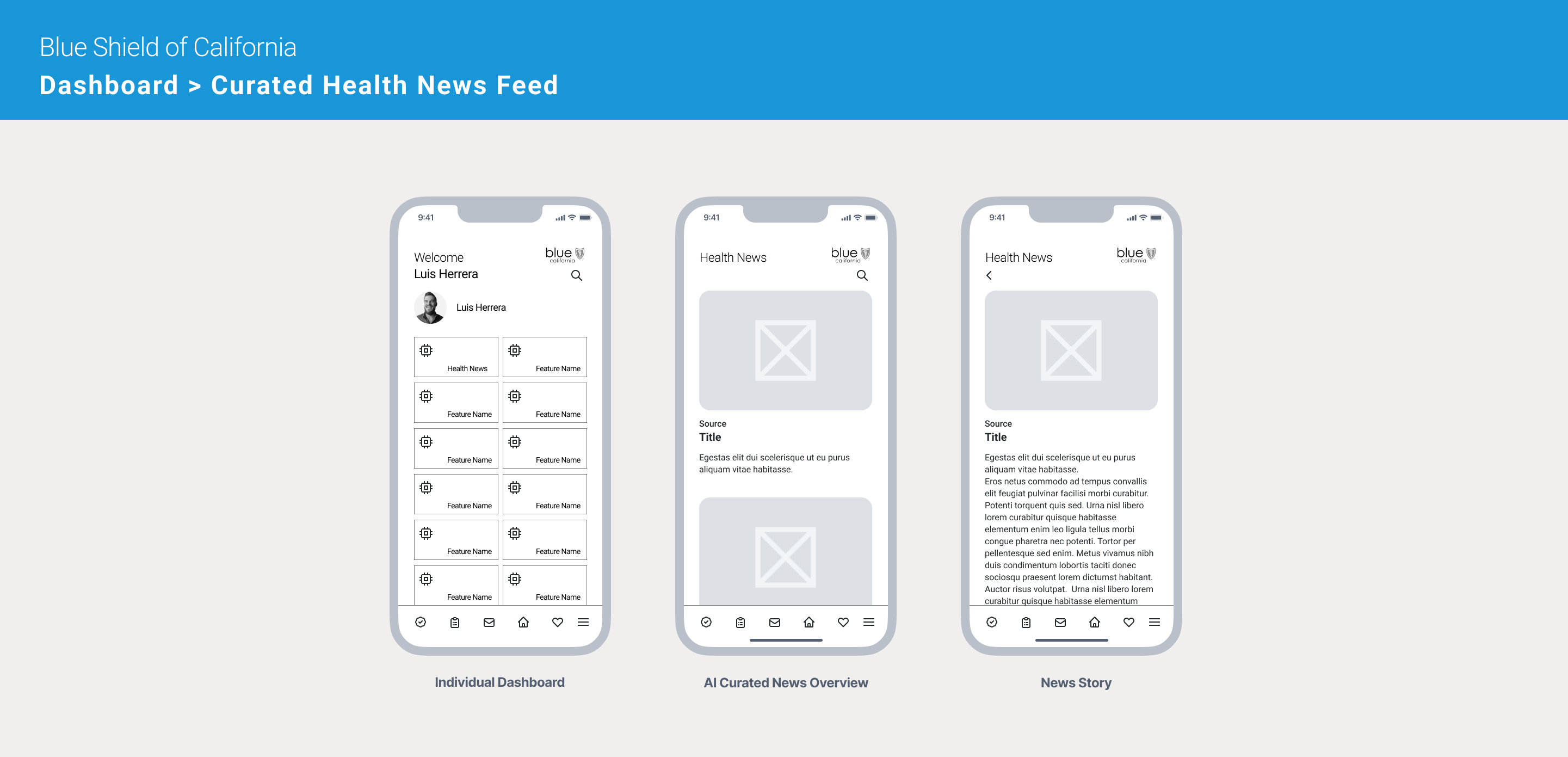
WIREFRAMES
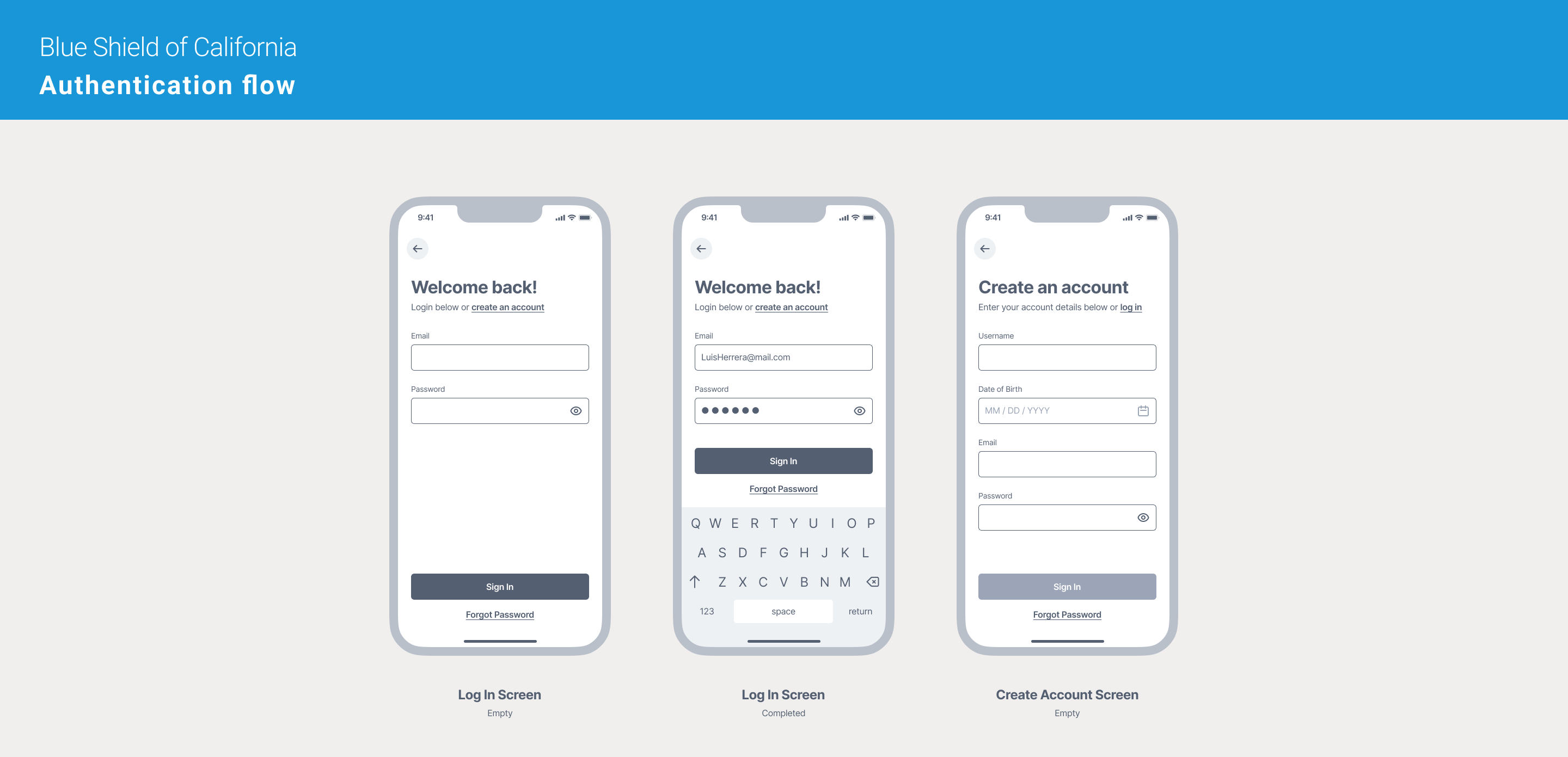
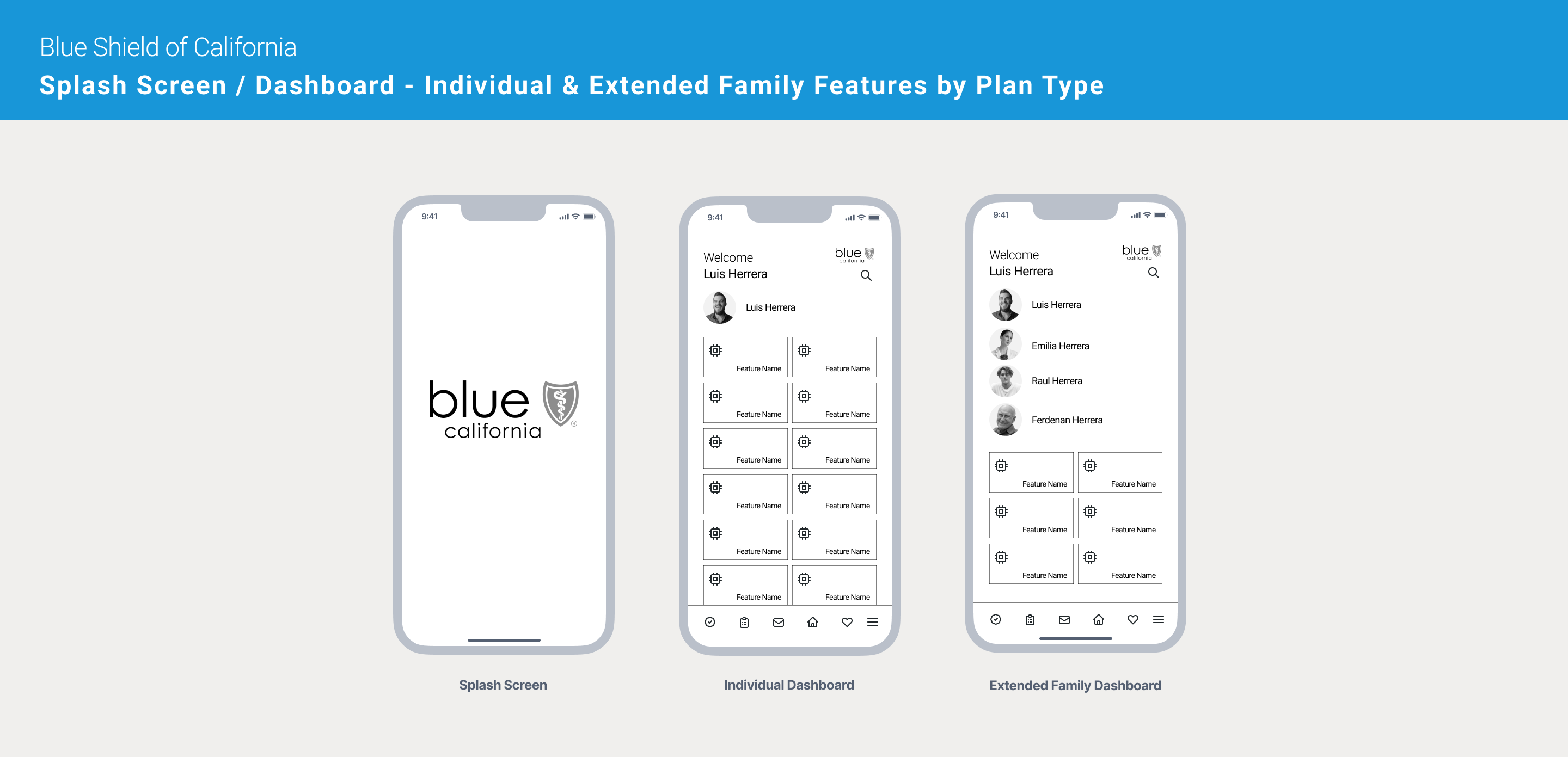
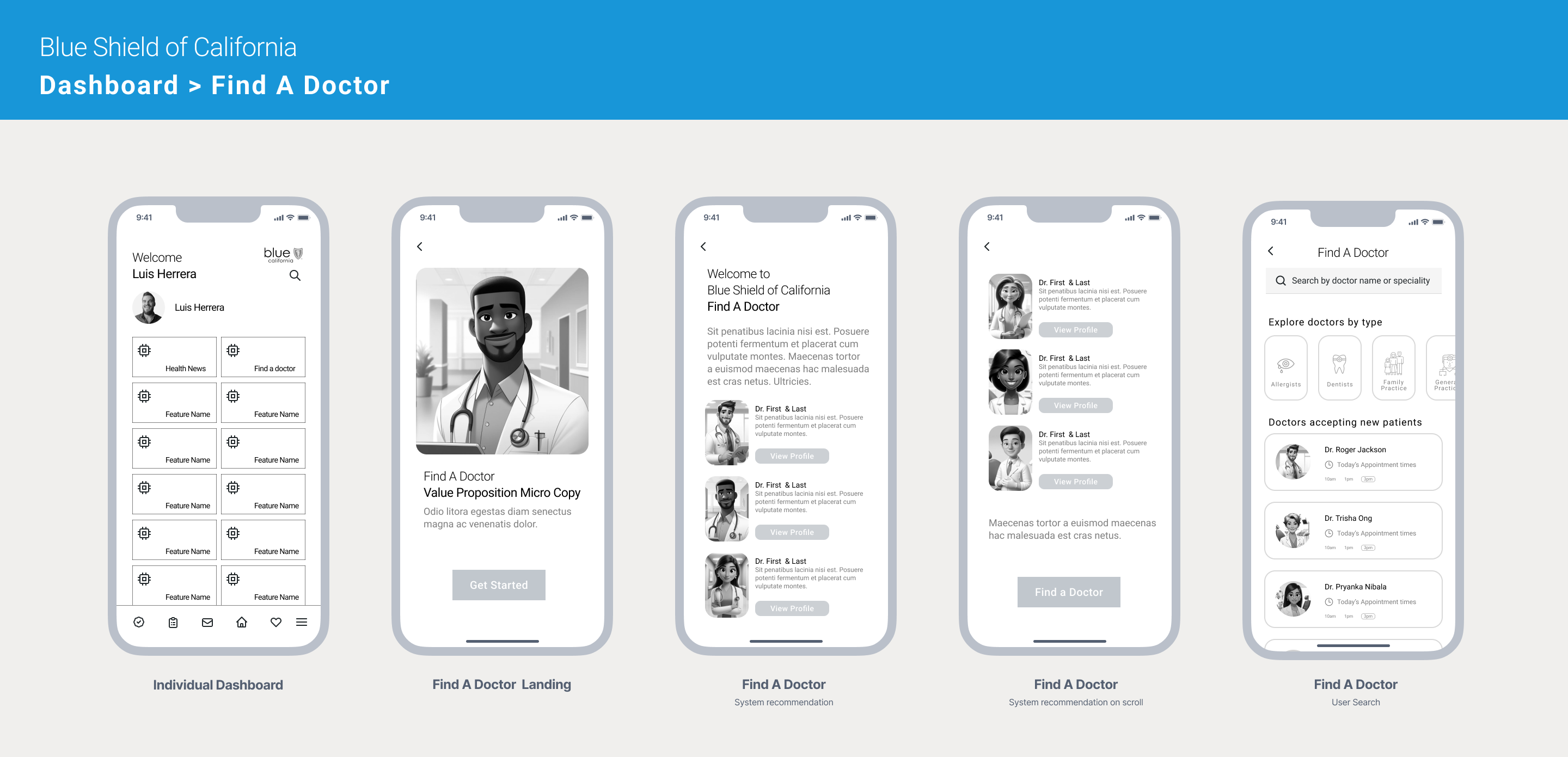
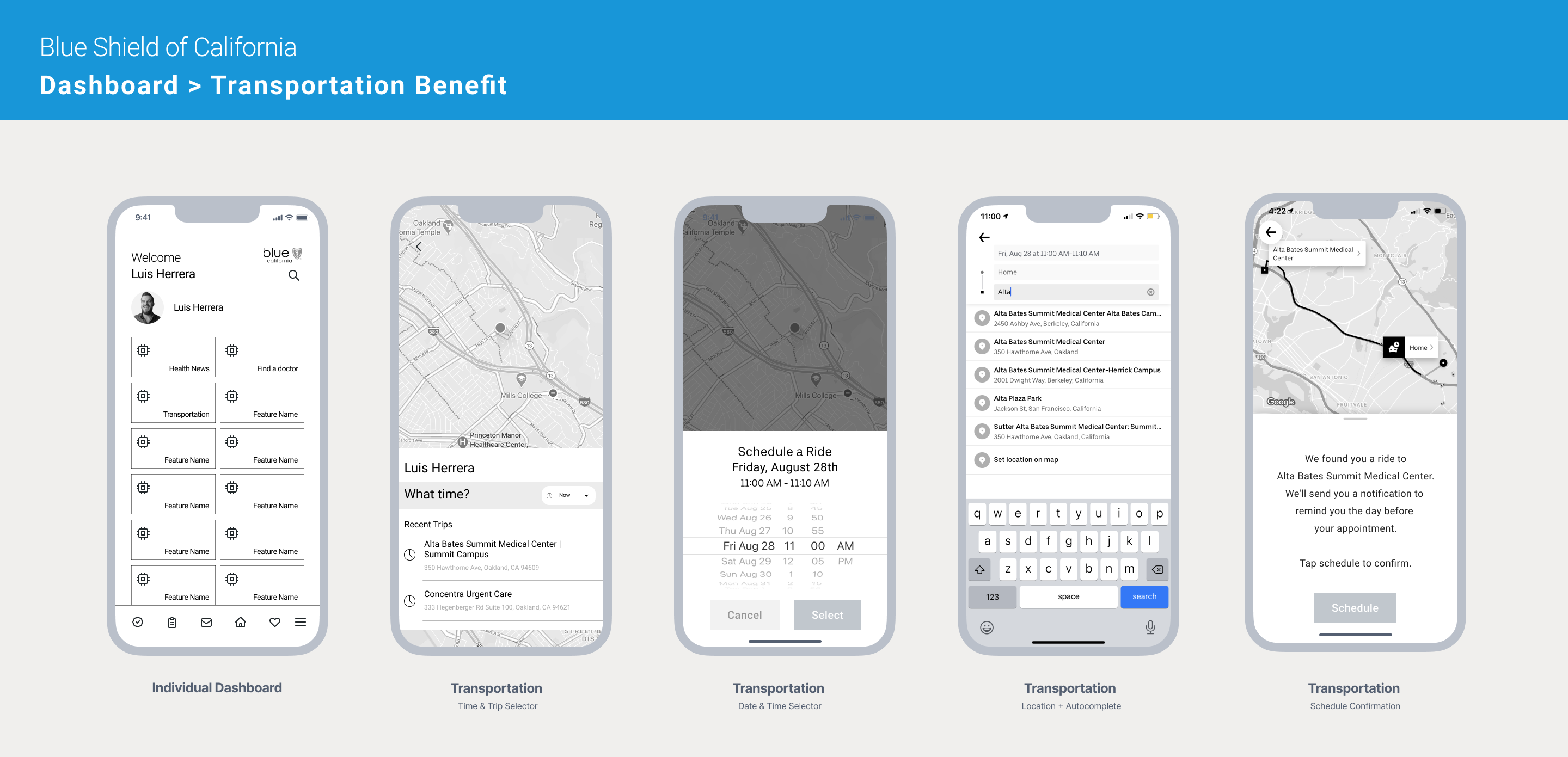
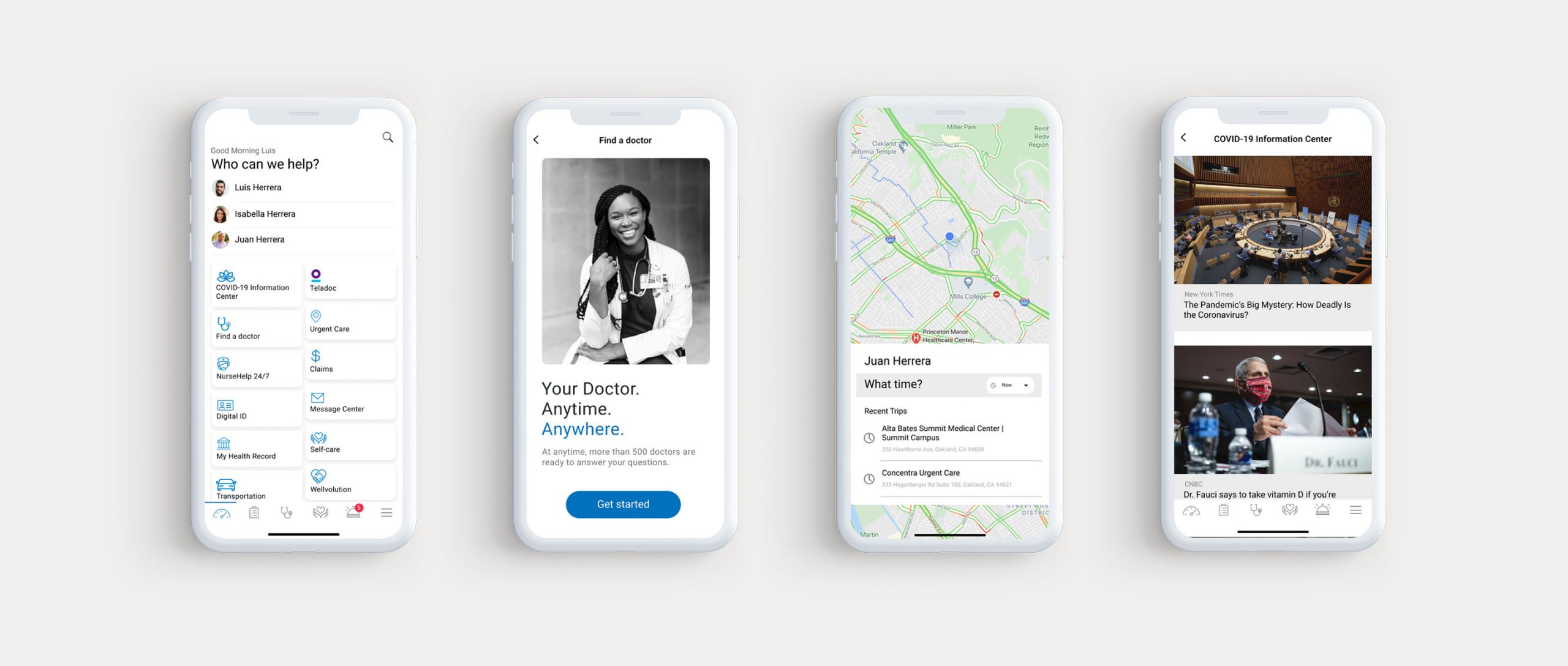
HIGH FIDELITY INTERACTIVE PROTOTYPE SCREENS
SUMMARY
Blue Shield of California’s evolution marks a new era in healthcare—where intelligence and empathy converge to create a truly agentic experience. This is not a digital facelift; it’s a fundamental rethinking of how people interact with care.
By integrating AI as an active agent within its ecosystem, BSC redefines what "access to care" means. The experience becomes fluid, anticipatory, and human—an intelligent companion that works on behalf of every member and provider to simplify complexity, strengthen trust, and improve outcomes.
This transformation establishes BSC not only as a healthcare leader but as a model for how organizations can wield Agentic AI to align business success with human well-being. It demonstrates that when technology understands intent and acts with purpose, healthcare becomes less about systems and more about relationships—dynamic, responsive, and personal.
In this vision, Blue Shield of California doesn’t just insure health—it ensures it, through intelligence that learns, guides, and advocates for every member, every day.